
Solar Panels for Homes in Haryana: Complete Guide to Savings, Subsidy & Installation (2026)
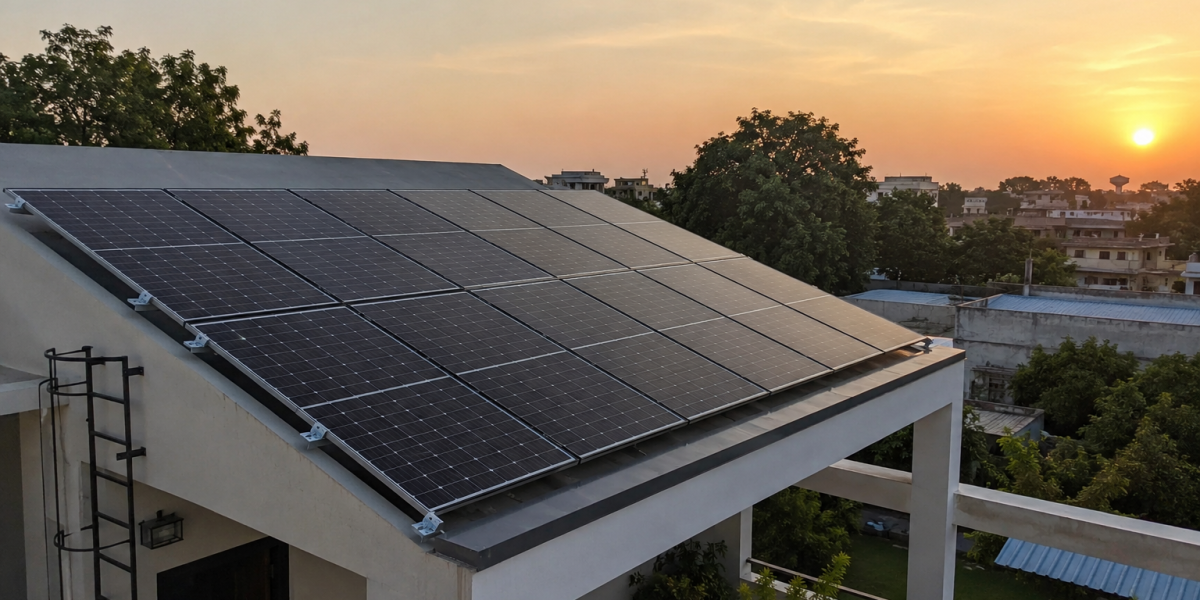
Electricity bills in India are rising every year and homeowners are now looking for smarter, long-term solutions to reduce energy costs. One of the best and most reliable options today is installing solar panels for home use.
In Haryana, residential solar adoption is growing rapidly because of strong sunlight availability, government subsidies, net metering benefits, and increasing awareness about renewable energy. From Gurugram and Faridabad to Hisar, Karnal, and Panipat, thousands of homeowners are switching to rooftop solar systems to save money and become energy independent. Residential solar approvals, net metering, and electricity connections in many parts of Haryana are managed through DHBVN, making rooftop solar installations more accessible for homeowners.
If you are planning to install solar panels at your home, this complete guide will help you understand:
- What solar panels are
- How solar systems work
- Types of solar installations
- Solar panel prices in Haryana
- Government subsidy benefits
- Net metering and DHBVN approval process
- Monthly savings
- Installation process
- How to choose the right solar company
By the end, you’ll clearly understand whether solar is the right investment for your home.
What Are Solar Panels?
Solar panels are devices that convert sunlight into electricity using photovoltaic (PV) technology. These panels absorb solar energy during the day and generate power that can be used to run household appliances such as:
- Fans
- Lights
- Refrigerators
- Air conditioners
- Washing machines
- Water pumps
- TVs and computers
Solar panels are usually installed on rooftops where they receive maximum sunlight exposure throughout the day.
The electricity generated by the solar system can either:
- Be used instantly in your home
- Be stored in batteries
- Be sent back to the electricity grid through net metering
How Do Solar Panels Work?
Understanding how solar panels work is important before investing in a rooftop solar system.
Here is the simple working process:
Step 1: Sunlight Hits the Solar Panels
The solar panels absorb sunlight and generate direct current (DC) electricity.
Step 2: Solar Inverter Converts Power
A solar inverter converts DC electricity into alternating current (AC), which is used in homes.
Step 3: Electricity Powers Your Home
The generated electricity powers your household appliances in real time.
Step 4: Extra Power Goes to the Grid
If your solar system produces excess electricity, it can be exported to the electricity grid using net metering.
This helps reduce your electricity bill significantly.
Why Homeowners in Haryana Are Choosing Solar Panels
Residential solar demand in Haryana has increased rapidly in recent years because of multiple benefits.
1. Rising Electricity Bills
Electricity costs are increasing every year. Solar panels help homeowners reduce dependency on traditional electricity.
2. Government Subsidy Benefits
The Indian government offers rooftop solar subsidies for residential installations, making solar more affordable.
3. Haryana Receives Strong Sunlight
Haryana has excellent solar potential because it receives abundant sunlight year-round.
4. Long-Term Savings
Solar systems continue generating electricity for 25 years or more, helping homeowners save lakhs over time.
5. Eco-Friendly Energy Solution
Solar energy reduces carbon emissions and supports sustainable living.
Types of Solar Panel Systems
Before installation, it is important to understand the different types of solar systems available.
1. On-Grid Solar System
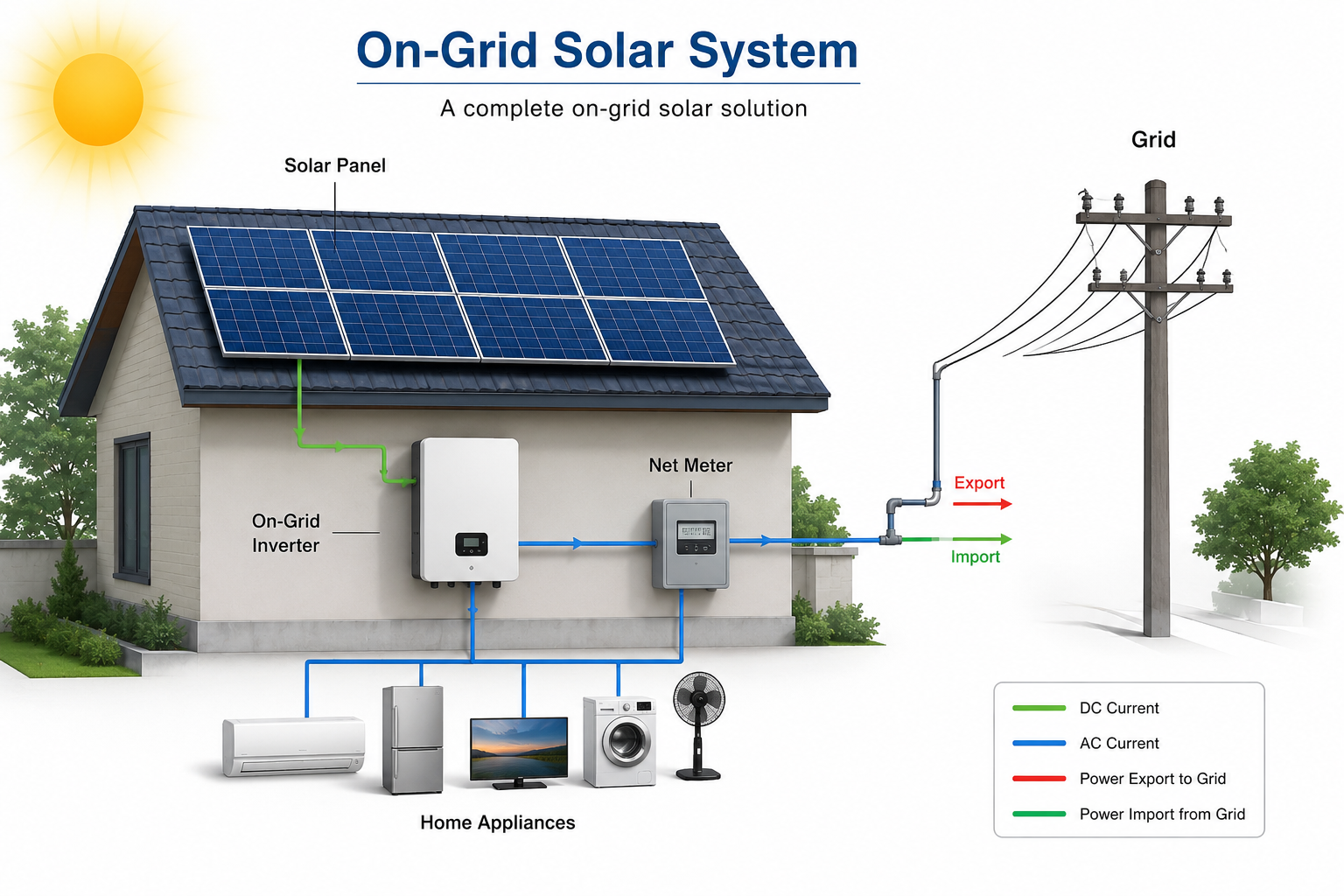
An on-grid solar system is connected directly to the electricity grid.
Benefits:
- Lower installation cost
- Maximum electricity bill savings
- Net metering support
- Ideal for residential homes
Best For:
Homes with a regular electricity supply.
2. Off-Grid Solar System
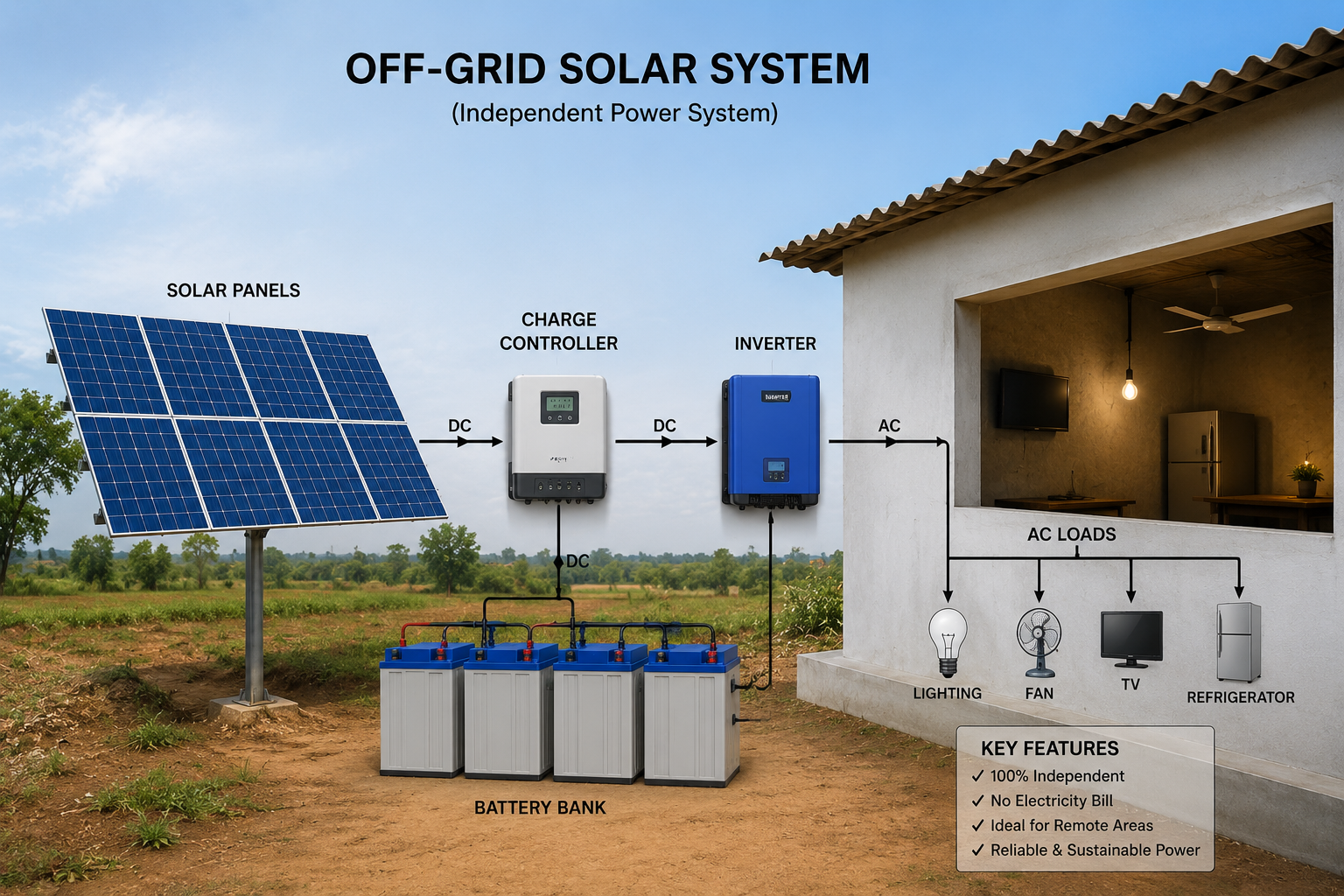
An off-grid system works independently and uses batteries to store electricity.
Benefits:
- Power backup during outages
- Complete energy independence
Best For:
Remote areas with unreliable electricity.
3. Hybrid Solar System
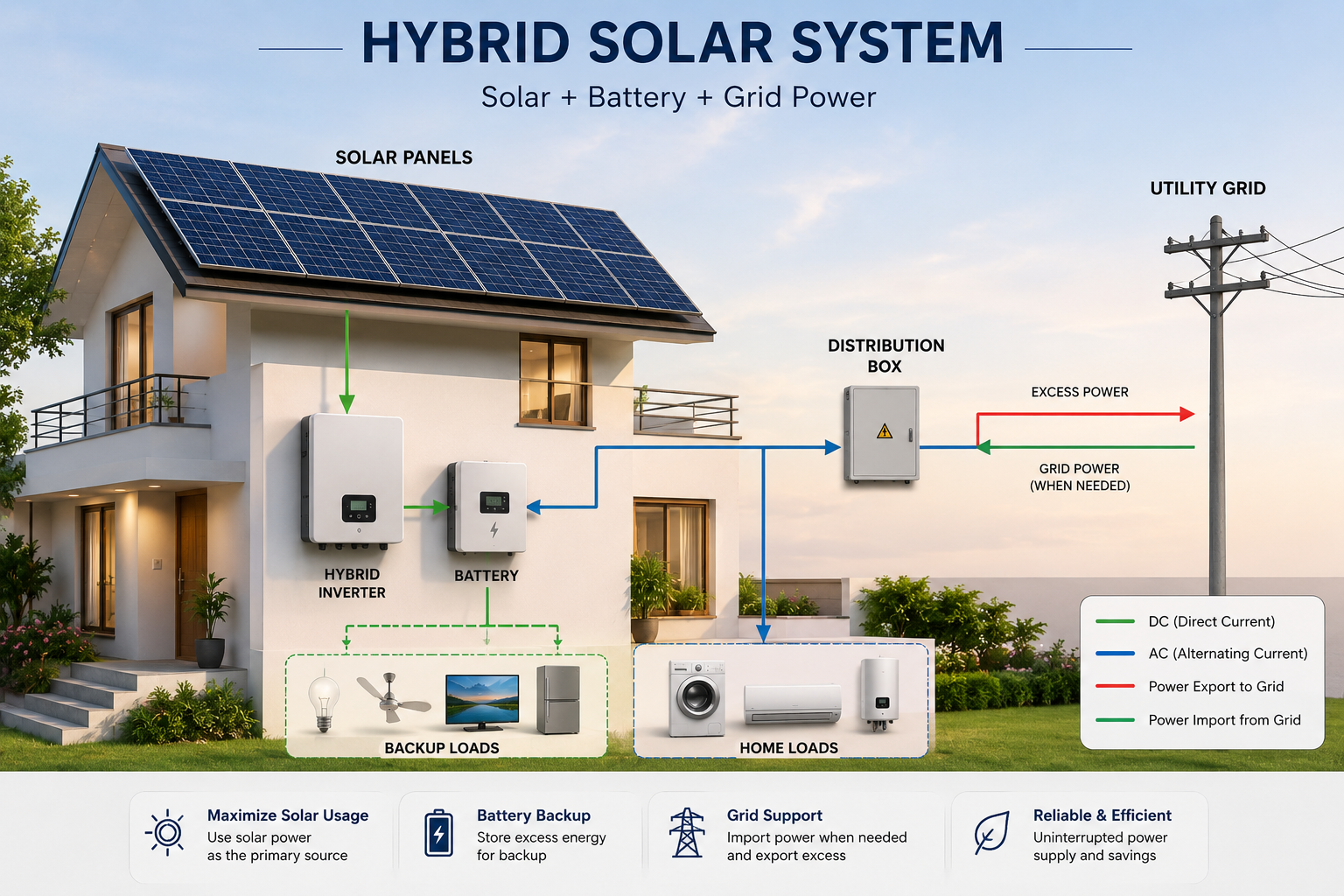
A hybrid system combines both grid connectivity and battery storage.
Benefits:
- Electricity savings
- Battery backup
- Better energy management
Best For:
Homes need both savings and backup power.
Which Solar Panel Is Best for Home Use?
The right solar panel depends on your electricity usage, roof space and budget.
Monocrystalline Solar Panels
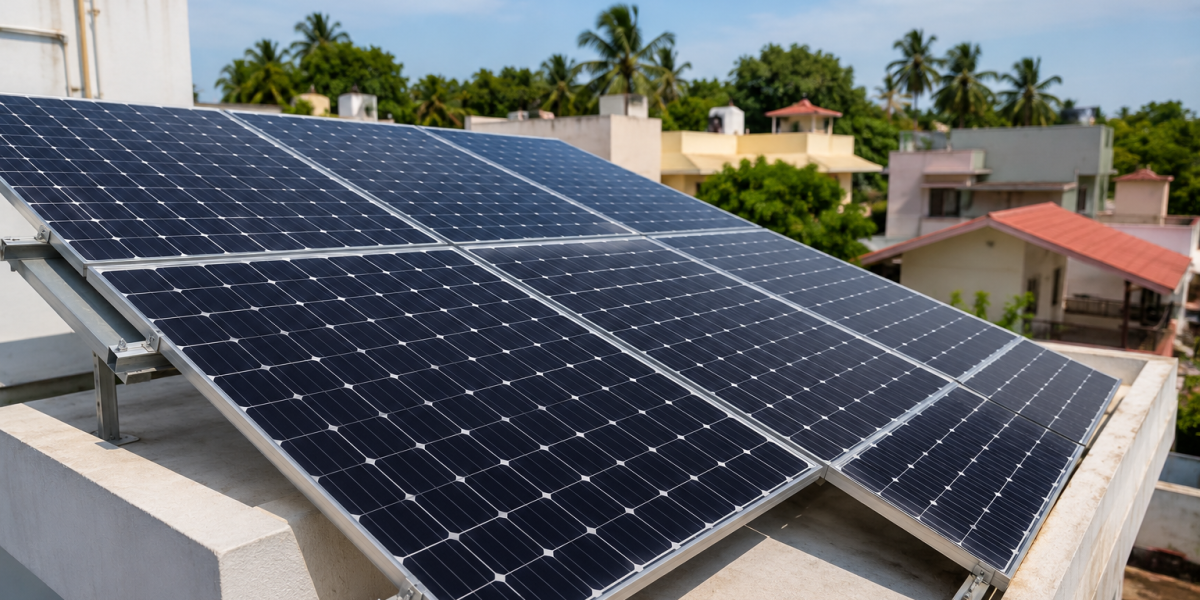
These are high-efficiency solar panels with better performance.
Advantages:
- Higher efficiency
- Better performance in low light
- Requires less roof space
- Premium quality
Best For:
Homes with limited rooftop space.
Polycrystalline Solar Panels
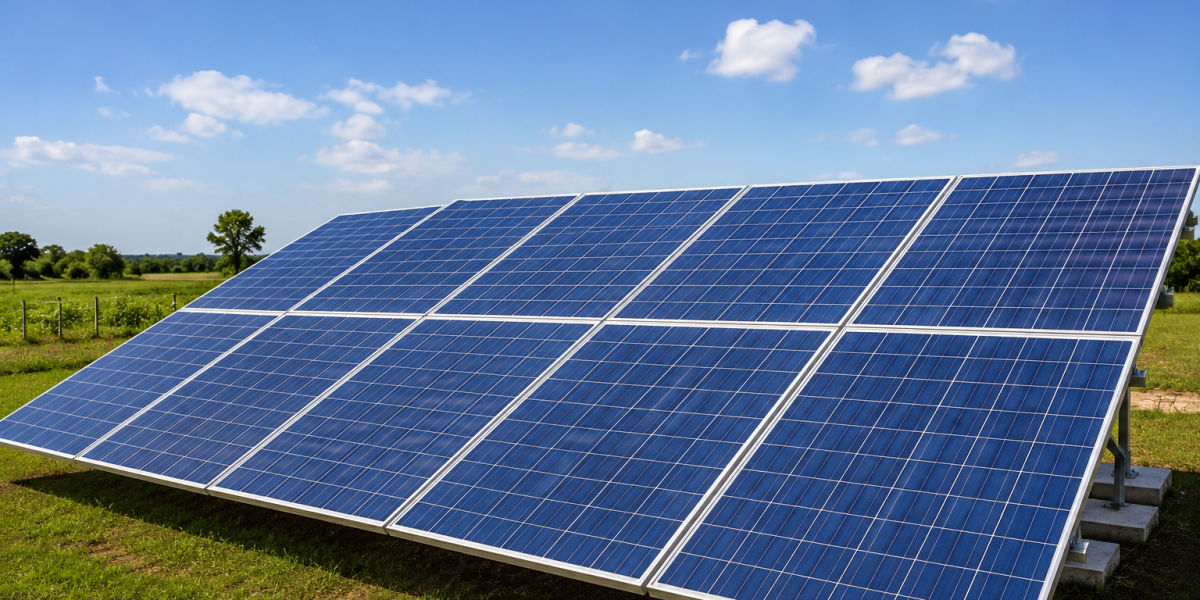
Polycrystalline solar panels were once a popular choice for residential and commercial solar installations due to their affordability and dependable performance. However, with advancements in solar technology, they are now rarely used in modern installations, as most homeowners and businesses prefer more efficient monocrystalline solar panels.
Advantages:
- Previously considered a cost-effective solar option
- Reliable and proven technology
- Suitable for certain low-budget or large-area projects
Best For:
- Older solar systems or limited budget installations where high efficiency is not the main priority.
Technology Used Nowadays
Today, Monocrystalline Solar Panels are the most widely used solar technology in the market. They offer:
- Higher efficiency and better power generation
- Better performance in limited rooftop space
- Sleek all-black modern appearance
- Longer lifespan and improved durability
- Better performance in high temperatures and low-light conditions
Because of these benefits, monocrystalline technology has become the preferred choice for modern residential, commercial, and industrial solar installations.
Solar Panel Price in Haryana
The cost of a solar system depends on:
- System size
- Solar panel brand
- Inverter quality
- Installation complexity
- Battery requirements
Estimated Residential Solar System Sizes
| Solar System Size | Suitable For |
|---|---|
| 1kW | Small homes |
| 2kW | 1–2 BHK homes |
| 3kW | Medium families |
| 5kW | Large homes |
| 10kW | Villas & farmhouses |
Government subsidies can significantly reduce installation costs for eligible homeowners.
Solar Subsidy in Haryana
The government is actively promoting residential rooftop solar through subsidy schemes.
Benefits of solar subsidy:
- Reduced installation cost
- Faster return on investment
- Affordable rooftop solar adoption
Most residential homeowners can apply for subsidy benefits through approved solar vendors.
What Is Net Metering?
Net metering is one of the biggest advantages of on-grid solar systems.
It allows homeowners to:
- Export excess electricity to the grid
- Receive credits for unused power
- Reduce electricity bills further
During the daytime, your solar system may generate more electricity than required. That extra electricity is sent to the electricity board, helping offset your monthly power consumption.
In Haryana, net metering approval for residential solar systems is managed through DHBVN in many districts. The process includes application approval, inspection, and installation of a bi-directional net meter that tracks both imported and exported electricity. Proper DHBVN approval ensures your rooftop solar system operates legally and allows you to maximize long-term savings on electricity bills.
How Much Money Can a Solar System Save?
Savings depend on:
- System size
- Daily electricity usage
- Sunlight availability
However, most homeowners can reduce their electricity bills by 70–90%.
A properly designed solar system can help recover installation costs within a few years through monthly savings.
Is Solar a Good Investment for Homes?
Yes. Solar panels are considered one of the smartest long-term investments for homeowners.
Benefits of Investing in Solar Panel
Lower Electricity Bills
Save money every month for decades.
Long Lifespan
Most solar panels last 25–30 years.
Low Maintenance
Only occasional cleaning and inspection are required.
Increased Property Value
Solar-powered homes are considered more energy efficient and valuable.
Energy Independence
Reduce dependence on rising electricity prices.
Residential Solar Installation Process
A professional solar installation company usually follows these steps:
Step 1: Site Inspection
The rooftop is inspected for sunlight exposure and space availability.
Step 2: Load Analysis
Electricity consumption is analysed to determine the ideal system size.
Step 3: System Design & Quotation
A customised solar solution is prepared.
Step 4: Installation
Solar panels, inverter and mounting structure are installed.
Step 5: Net Metering Approval
Grid connection and meter approvals are completed.
Step 6: System Activation
The solar system starts generating electricity.
How to Choose the Right Solar Company in Haryana
Choosing the right solar installer is extremely important for system performance and long-term reliability.
Look for:
- Experienced installation team
- High-quality solar panels
- Warranty support
- Proper certifications
- Net metering assistance
- Subsidy guidance
- Positive customer reviews
Avoid companies that offer unrealistically cheap pricing with poor-quality products.
Common Myths About Solar Panels
Myth 1: Solar Panels Don’t Work in Cloudy Weather
Solar panels still generate electricity during cloudy conditions, although efficiency may reduce slightly.
Myth 2: Solar Systems Need Constant Maintenance
Solar systems require very little maintenance.
Myth 3: Solar Is Too Expensive
Government subsidies and long-term savings make solar highly cost-effective.
Myth 4: Solar Panels Damage Roofs
Professional installation actually protects rooftops and is completely safe.
Future of Residential Solar in India
India is rapidly moving toward renewable energy adoption and residential rooftop solar is expected to grow significantly in the coming years.
Government initiatives, increasing electricity costs and growing environmental awareness are encouraging more homeowners to invest in solar energy solutions.
For homeowners in Haryana, this is the perfect time to switch to solar and secure long-term savings.
Final Thoughts
Solar panels are no longer just an alternative energy option — they are becoming a smart necessity for modern homes.
From lower electricity bills and government subsidies to long-term savings and environmental benefits, rooftop solar systems offer tremendous value for homeowners across Haryana.
If you are planning to install solar panels for your home, choosing the right solar solution today can help you enjoy decades of savings and energy independence.
You may also read our blog about “Solar Systems for Your Home: A Guide to Picking the Right One“
Frequently Asked Questions (FAQs)
How long do solar panels last?
Most solar panels last between 25 to 30 years.
Can solar panels run ACs and heavy appliances?
Yes, properly sized solar systems can run air conditioners and other heavy appliances.
Do solar panels work during power cuts?
On-grid systems shut down during outages unless batteries are installed. Hybrid systems provide backup.
Is a solar subsidy available in Haryana?
Yes, residential rooftop solar subsidy schemes are available for eligible homeowners.
How much rooftop space is required for solar panels?
The required space depends on the solar system size and panel efficiency.
Are solar panels worth it for homes?
Yes, solar panels provide long-term savings, reduced electricity bills and energy independence.